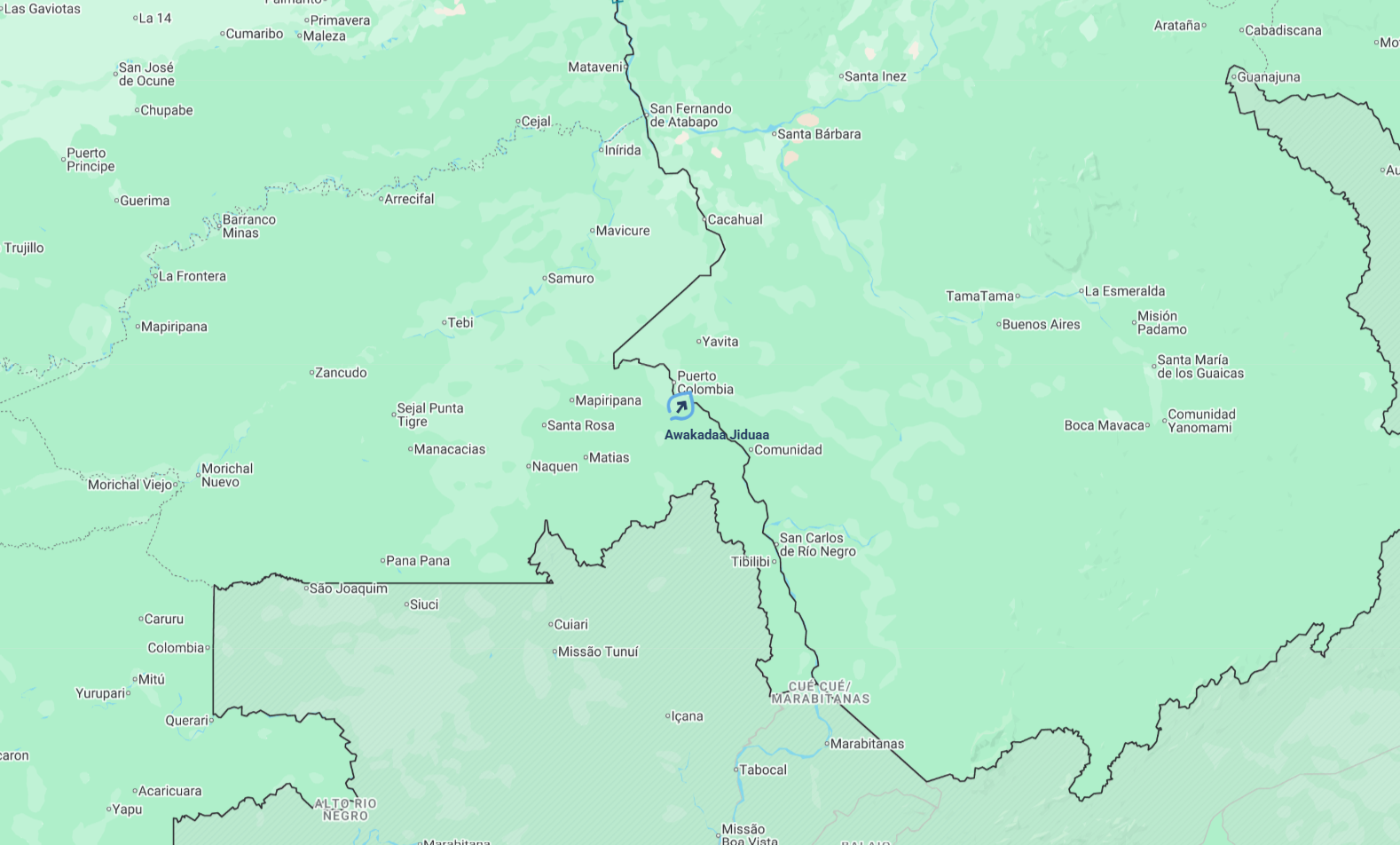
Project Location
PROJECT OVERVIEW
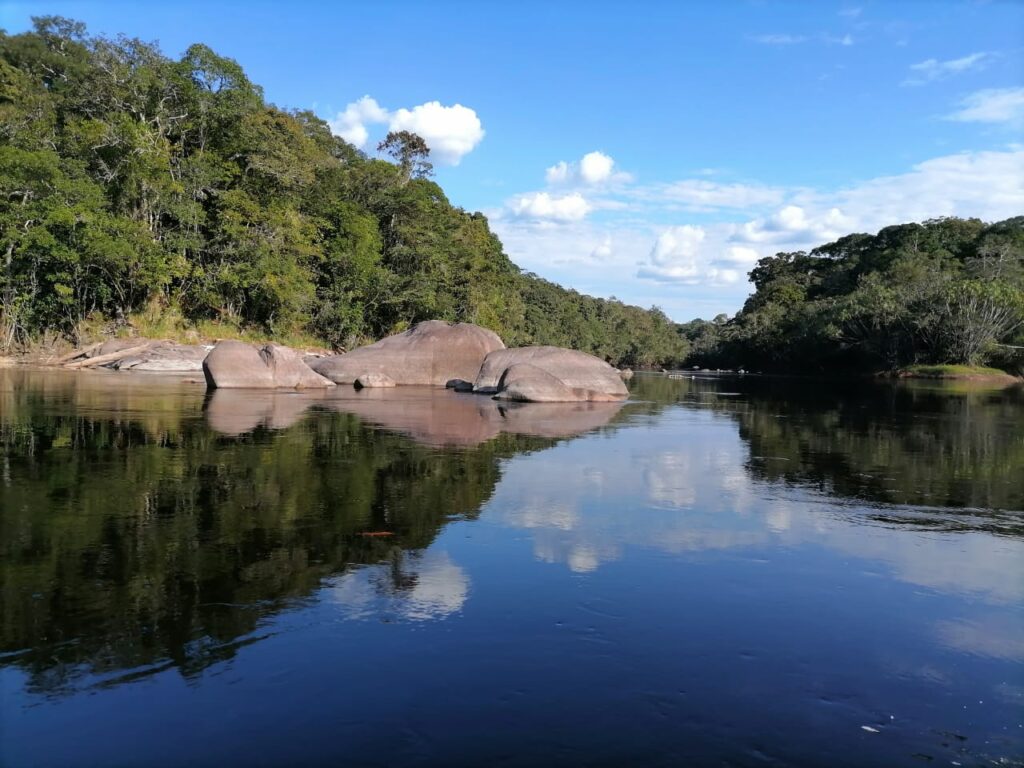
The REDD+ AWAKADAA JIDUAA project is developed in the Colombian Amazon region, in territory under the jurisdiction of the environmental authority CDA – Corporation for the Sustainable Development of the North and Eastern Amazon, in the department of Guainía. The project corresponds to the second phase of work of the Tonina, Sejal, San José and Others Indigenous Reservation, created by INCORA resolution 079 of 1989, in which the communities of Sejal, Tigra, Yurizal, Tabaquen, Puerto Colombia, Berrocal and Tonina. The project is aimed at mitigating GHG emissions through comprehensive forest management, seeking to reduce emissions resulting from deforestation and degradation of natural forests found in the project area, through the implementation of actions that promote the conservation and restoration of forests.
| Status | Available |
| Certification | Cercarbono |
| Project Type | REDD+ |
| Project code | CDC-155 |
| Vintage Range | 2018-2023 |
| Carbon Credits Availability | Available Upon Request |
| Country | Colombia |
| Region | Vaupés |
ENVIRONMENTAL IMPACT
The project protects extensive tropical rainforest ecosystems in Vaupés, Colombia, preserving biodiversity, reducing deforestation risks and preventing greenhouse gas emissions through long-term conservation activities.
COMMUNITY BENEFITS
The project supports indigenous communities through sustainable development initiatives, environmental monitoring, territorial governance strengthening and preservation of ancestral knowledge. Revenues generated from carbon credits contribute to long-term social and environmental benefits for participating communities.
SUSTAINABLE DEVELOPMENT GOALS
This project contributes to multiple United Nations Sustainable Development Goals (SDGs), including Zero Hunger, Decent Work and Economic Growth, Sustainable Cities and Communities, Climate Action, and Life on Land.